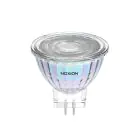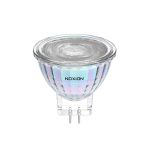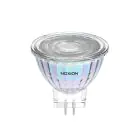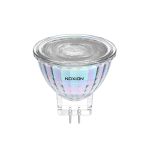






Philips Corepro LED Spot GU4 MR11 2.3W 184lm 36D - 827 Extra Warm White | Replaces 20W


- Free shipping above £150 incl. TaxFree shipping above £125 excl. Tax
- Business customer? Purchase on account
- Easy returns within 14 days
Specifications
| SKU | 237178 | |
|---|---|---|
| EAN | 8718699659486 | |
| Manufacturer Code | 65948600 | |
| Brand | Philips | |
| Manufacturer Name | CorePro LED spot 2.3-20W 827 MR11 36D | |
|
i
The recommended quantity refers to the number of products pre-packaged by the manufacturer. When you buy this quantity, we deliver the products in the original package from the manufacturer.
|
Full box quantity | 12 |
|
i
Our all-in warranty is fully included in the product price and covers both hidden defects and technical defects of the product that occurred before delivery. The warranty period differs per product and ranges from 1 year to a maximum of 7 years.
|
Any Lamp all-in warranty | 2 Years |
|
i
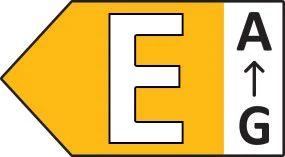
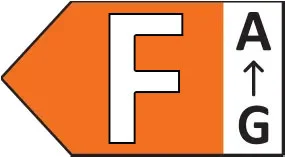
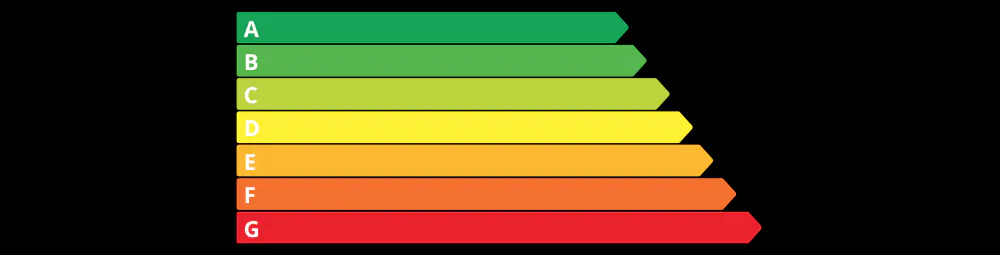 Every bulb or fixture has an energy efficiency class A to G. Energy label A is the most efficient and G the least. LED lighting is the most sustainable lighting technique. Even if a LED bulb is rated E or lower, they still save 70% of energy compared to conventional lighting with the same energy label. Why is it the same label then? To motivate LED brands to get even more durable.
 |
Energy efficiency class | F |
| Energy efficiency class old | A++ | |
|
i
The lifespan is an indication of the number of hours a product will last. This refers only to the hours the product is actually on. LED lighting has a significantly longer lifespan than conventional lighting. LED lighting therefore lasts much longer. How long you can actually use a product depends on the extent of its (daily) use. |
Average Lifetime (h) | 25000 |
|
i
The technology indicates the operating base of a light source. The most well-known and energy-efficient example is LED. Other techniques include Halogen, gas discharge, TL (fluorescent) and the light bulb.
|
Technology | LED |
|---|---|---|
| Product Type Category | GU4 LED | |
|
i
This indicates which wattage of your old/conventional lighting is replaced by this LED product.
|
Replaces (Watt) | 20 |
|
i
Lighting with a voltage of 220-240 Volt can be connected directly to the mains. Lighting with a different mains voltage (12 Volt and 24 Volt) requires an (electronic) transformer.
|
Voltage (V) | 12 |
|
i
The wattage indicates how much energy a light source consumes. With LED lighting, the wattage is considerably lower than with conventional lighting. LED lamps with a higher wattage generally also have a higher light intensity (number of lumens).
|
Wattage | 2.3W |
|
i
A beam angle indicates the angle of the light beam coming from a light source. The smaller the radiation angle in degrees (D), the narrower the beam angle.
|
Beam Angle (degree) | 36 |
|
i
Dimmable bulbs work in combination with a dimmer switch and allow you to determine the desired light output. Dimming also provides energy saving potential because less power is required when the lamp is producing less light.
|
Dimmable | Not Dimmable |
|
i
The cap/base of a bulb is the part that connects it to the socket in the fixture. In the UK, B22 (Bayonet) caps/bases are still the most popular, although E27 (Edison screw) caps/bases are becoming increasingly popular. GU10 is the most common cap/base for spotlights. Check which cap/base you need carefully as many other types are also available.
|
Cap / Base | GU4 |
|
i
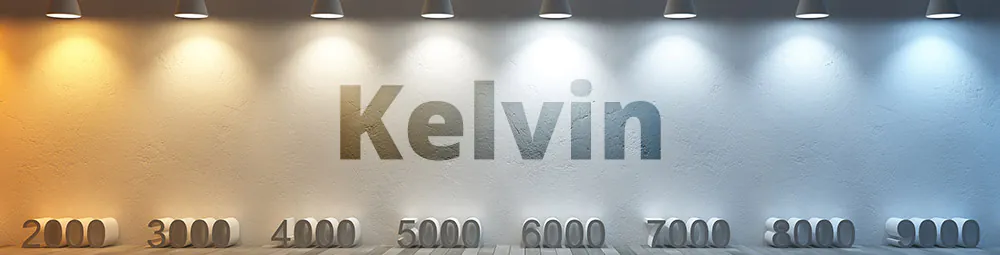
 The colour code is a combination of colour rendering (CRI) and light colour (Kelvin). The first number indicates the colour rendering (1 = very poor colour rendering, 9 = maximum colour fastness). The second and third number contains the light colour. Example: the colour code 830 consists of good colour rendering (8) and warm white light (3000K). |
Colour Code | 827 Extra Warm White |
|
i
|
Colour temperature (Kelvin) | 2700 Extra Warm White |
|
i
Colour rendering is also known as Colour Rendering Index (CRI) and indicates the extent to which a light source reproduces colours, compared to the actual colours in daylight. Products with a good (80-89 Ra) or excellent (90-99 Ra) colour rendering show minimal deviations in the colour spectrum.
|
Colour Rendering (Ra) | 80-89 |
|
i
The light color indicates the color of the light emitted: white, colored, or UV. For many products in our assortment, the light is white, available in a range from very warm white to daylight white (expressed in Kelvin). With colored light, you have two options: 1. A single fixed color, such as red or green. 2. RGBW, which means you can adjust the light color at any time: white or colored.
|
Colour of Light | White |
|
i
The colour control type tells you in which way you can regulate the colour of the light. You have the following options:
By choosing your preferred light colour options, you are one step closer to the right light product. |
Light colour options | Single Color |
|
i
The number of lumens (lm) is the light output of a light source. The higher the number of lumens, the more light the light source emits. The wattage and the number of lumens are not connected to each other. An LED lamp with a low wattage can have a higher number of lumens than a conventional lamp with a high wattage.
|
Luminous Flux (Lumen) | 184lm |
|
i
The Luminous Efficacy (lm/W) indicates how efficiently a light source uses energy. We divide the number of lumens by the wattage. The higher the number, the more efficient a product is in terms of energy consumption. LED lighting has a considerably higher lumen/Watt ratio than conventional lighting.
|
Lumen per watt | 80 |
|
i
Lighting with a sensor only turns on when it receives a specific signal. This reduces energy costs. The (built-in) sensors respond to darkness (twilight switch) and/or movement (motion sensor).
|
Type of sensor | No Sensor |
| EOC8 | 65948600 | |
|---|---|---|
| Series | CorePro |
| Height (mm) | 39.5 | |
|---|---|---|
| Diameter (mm) | 36 | |
|
i
The shape tells you something about the design of a LED bulb or conventional bulb. This literally describes the design of the light source, for example a pear or candle shape. In some cases, the name of a product also tells you something about its size. A GU10 AR111 LED spotlight, for example, has a diameter of 111 mm.
|
Shape | Spot |
|
i
The exact shape tells you something about the design of an LED bulb or conventional bulb. This is the technical name for the bulb shape, where the letter(s) describe the design of the light source and the number tells you something about the size of the bulb. For example, P45 means a pear shape with a diameter of 45 mm, while G125 is a globe shape with a diameter of 125 mm.
|
Exact shape | MR11 |


Description Philips Corepro LED Spot GU4 MR11 2.3W 184lm 36D - 827 Extra Warm White | Replaces 20W
Highlights
- Extremely energy efficient
- Minimum maintenance
- Perfect as accent lighting
- Good colour rendering (Ra)
Extremely energy efficient
This LED spot is the most energy efficient spotlight that we offer. The energy consumption is only an astonishing 2.3W, and reduces your energy costs up to 88%. Since the Philips CorePro LEDspot runs on 12V it needs a transformer. Be aware that you need to reach the minimum wattage of the transformer with the total wattage of all connected lights. If you need more information about transformers, you can read more in “How do I find the right transformer?”
Minimum maintenance
The GU4 LED spot needs little to no attention after installation, as it has an average lifetime of 25.000 hours. For frame of reference, this means more than 8.5 years of quality lighting when you consider a daily use of 8 hours a day. If you prefer dimmable lighting, make sure you also have a LED dimmer. Take a look at our dimmable GU4 LED spots.
Perfect as accent lighting
The CorePro LEDspot GU4 of Philips has a medium beam angle of 36° and a colour temperature of 2700K (extra warm white). This makes it ideal for relaxed environments like bedrooms, living rooms or hospitality. The spot is often used as accent lighting rather than acting as the only main source of light in a room.
Good colour rendering (Ra)
The colour rendering for this spot is 80-89Ra. This is based on an index called the Colour Rendering Index (CRI) which indicates how accurately the light displays the colours of an object or substance in comparison to its actual colour. This level of colour rendering is the most commonly used in lighting and shows almost no deviations in colours.
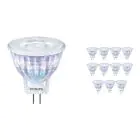
Multipack
Accessories

Alternatives